

Oral and Maxillofacial Surgery: A Complete Guide to Procedures, Benefits, and What to Expect
Oral and maxillofacial surgery encompasses a broad spectrum of surgical procedures addressing the mouth, jaw, face, and skull, and for many patients, understanding this field is the first step toward resolving complex dental and medical concerns. Whether you are researching jaw reconstruction, bone grafting, implant placement, or facial trauma repair, this guide is designed to give you the comprehensive, accurate information you need to make confident decisions about your care. If you have questions about whether oral and maxillofacial surgery may be appropriate for your situation, contact our team to speak with a specialist.
What Is Oral and Maxillofacial Surgery and Who Needs It?
Oral and maxillofacial surgery is the recognized specialty within dentistry and medicine that addresses surgical conditions involving the hard and soft tissues of the oral cavity, the face, and the jaw complex. Surgeons and specialists in this field manage cases ranging from tooth extractions and dental implant placement to corrective jaw surgery, facial bone reconstruction, and treatment of pathologic conditions such as cysts and tumors.
Conditions Commonly Addressed
Patients who may benefit from oral and maxillofacial surgery include those with impacted teeth causing structural complications, significant bone loss affecting implant candidacy, jaw misalignment producing functional difficulties, temporomandibular joint disorders that have not responded to conservative care, and complex conditions involving congenital or acquired facial defects. Individuals managing complex medical conditions and diseases often require surgical care that integrates seamlessly with their broader medical management, which is a level of coordination that demands specialized expertise.
The Relationship Between Surgery and Restorative Outcomes
In many cases, oral and maxillofacial surgery is not the final stage of treatment; it is the foundation that makes comprehensive restoration possible. Bone grafting may prepare a site for dental implants, jaw surgery may establish the structural alignment necessary for full-mouth rehabilitation, and soft tissue procedures may optimize the environment for prosthetic solutions. Understanding this relationship helps patients appreciate why surgical planning must involve specialists who also hold expertise in restorative and prosthetic disciplines.
Core Oral and Maxillofacial Surgery Procedures Explained
Oral and maxillofacial surgery includes a wide range of procedures, and the specific approach for any patient is determined by their clinical presentation, medical history, and long-term treatment goals. A thorough evaluation by a qualified specialist is the appropriate starting point for every surgical discussion.
Bone Grafting and Implant-Related Surgery
Bone grafting procedures rebuild volume and density in areas of the jaw where bone has been lost due to tooth loss, periodontal disease, or trauma. This creates a stable foundation for dental implants and may be performed simultaneously with implant placement or as a preparatory stage. The success of implant-supported restorations depends significantly on the quality of bone present, making surgical expertise in grafting a critical component of comprehensive implant care.
Corrective Jaw Surgery
Orthognathic surgery, commonly referred to as corrective jaw surgery, repositions one or both jaws to address skeletal discrepancies that affect chewing, speaking, breathing, and facial balance. This procedure is often coordinated with orthodontic treatment and requires detailed planning using advanced imaging. Patients with significant temporomandibular joint involvement may require an integrated approach that incorporates TMJ evaluation and management alongside their jaw surgery planning.
Maxillofacial Prosthodontics and Reconstructive Surgery
For patients who have experienced facial defects due to cancer, trauma, or congenital conditions, maxillofacial prosthodontics provides surgical and prosthetic solutions that restore both function and appearance. This subspecialty bridges oral and maxillofacial surgery with advanced prosthetic rehabilitation and requires a team with recognized expertise in managing cases of exceptional complexity. Patients traveling nationally or internationally for this level of care reflect the degree of specialization involved.
What to Expect Before, During, and After Oral and Maxillofacial Surgery
A well-informed patient is better prepared for the surgical experience, and understanding the full arc of care, from initial evaluation through recovery, supports both outcomes and confidence throughout the process.
Pre-Surgical Evaluation and Planning
The evaluation phase for oral and maxillofacial surgery typically involves detailed imaging, a review of medical and dental history, and a discussion of treatment objectives. Advanced imaging technology plays a central role in surgical planning, enabling precise visualization of bony structures, nerve pathways, and soft tissue anatomy. Patients managed within a multi-specialty environment benefit from coordinated evaluation across relevant disciplines before a surgical recommendation is finalized.
The Surgical Experience
Procedures within the scope of oral and maxillofacial surgery vary considerably in complexity and duration. Many procedures are performed under local anesthesia with or without sedation, while more involved reconstructive cases may require general anesthesia and hospital coordination. The approach is always tailored to the individual patient’s needs, health status, and comfort. Well-tolerated by most patients when managed by an experienced team, surgical procedures in this field are planned with both clinical precision and patient well-being as guiding priorities.
Recovery and Restorative Continuity
Recovery timelines vary based on procedure scope and individual patient factors, and individual results may vary. Post-surgical care instructions are a meaningful part of achieving optimal healing. Patients who undergo oral and maxillofacial surgery as part of a broader treatment plan should expect their surgical outcomes to be coordinated with subsequent restorative or prosthetic phases. Resources such as detailed care instructions and consistent follow-up contribute to a recovery experience that supports the treatment goals established before surgery.
Why Choose Our Specialists for Oral and Maxillofacial Surgery in the Greater DC Area?
Our board-certified multi-specialty team brings together expertise in prosthodontics, periodontics, TMJ and orofacial pain, and maxillofacial prosthodontics, offering a depth of coordinated care that is rarely available under a single roof. Our doctors have earned recognition from both the dental and medical communities and serve patients from the Greater DC area as well as nationally and internationally, reflecting the advanced nature of the cases we manage.
For patients navigating oral and maxillofacial surgery, particularly those with complex medical backgrounds or reconstructive needs, the ability to access multiple board-certified specialists who collaborate directly on your care represents a meaningful advantage. Our team includes leaders and educators in their fields, and we support the full range of cases from diagnostically challenging to surgically complex. Patients seeking that standard of care in the Washington DC, Bethesda, and Rockville region will find a team with the credentials, technology, and experience to deliver it. We welcome consultations and encourage you to reach out to begin your evaluation.
Frequently Asked Questions About Oral and Maxillofacial Surgery
How do I know if I need oral and maxillofacial surgery rather than a non-surgical treatment?
The determination of whether oral and maxillofacial surgery is appropriate depends on your specific clinical findings, which a qualified specialist evaluates through examination and imaging. Non-surgical options are considered first in many situations, and surgery is recommended when it offers outcomes that conservative approaches cannot achieve. A thorough consultation with a board-certified specialist provides the most accurate guidance for your individual circumstances.
What credentials should I look for in an oral and maxillofacial surgery team?
Board certification in relevant dental and medical specialties is an important indicator of demonstrated competency. For complex cases, look for specialists who hold credentials across multiple disciplines, have recognition from both dental and medical communities, and have experience managing cases similar to yours in scope and complexity. Our team meets all of these criteria and serves patients whose cases require that level of integrated expertise.
Is oral and maxillofacial surgery coordinated with my other dental treatments?
In most cases, oral and maxillofacial surgery is one component of a broader treatment plan. For example, bone grafting may precede implant placement, or jaw surgery may be coordinated with orthodontic care and restorative work such as prosthodontic restorations. Our multi-specialty practice is structured specifically to manage this kind of coordinated care without requiring patients to seek multiple providers at separate locations.
Do you treat patients who have complex medical conditions alongside their surgical needs?
Our team has extensive experience managing patients whose oral and maxillofacial surgery needs intersect with systemic medical conditions, including patients whose care requires coordination with their physicians. We serve patients locally, nationally, and globally who come to us specifically because of the complexity of their cases. This breadth of experience is reflected in the range of conditions our specialists are equipped to evaluate and address.
What role does maxillofacial prosthodontics play in surgical treatment?
Maxillofacial prosthodontics addresses the prosthetic rehabilitation of patients who have experienced defects of the face or oral structures due to surgery, cancer treatment, trauma, or congenital conditions. It works in close coordination with oral and maxillofacial surgery to restore both function and facial form. Our practice offers this specialized discipline as part of our comprehensive care model, which is a capability available at very few practices in the region. You can learn more about our maxillofacial prosthodontics services on our dedicated page.
Schedule Your Oral and Maxillofacial Surgery Consultation in the Greater DC Area
If you are researching oral and maxillofacial surgery and want to speak with a board-certified specialist who can evaluate your individual needs, our team is ready to help. We serve patients throughout the Washington DC, Bethesda, and Rockville region, as well as those traveling from across the country and internationally. Contact us to schedule your consultation and take the next step toward a comprehensive care plan built around your goals.
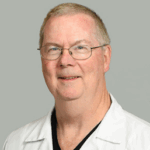
Carl Driscoll DMD, FACP
Dr. Driscoll is a Board-Certified Maxillofacial Prosthodontist who joined the Dental & TMJ Specialists of Greater DC in 2018. With decades of experience, he specializes in complex prosthodontic cases such as Ectodermal Dysplasia, Dentinogenesis Imperfecta, and Amelogenesis Imperfecta. A former Colonel in the U.S. Army, he led the Prosthodontic Residency Program at Walter Reed Army Medical Center before serving more than 20 years as Professor and Director at the University of Maryland School of Dentistry. Dr. Driscoll is a Diplomate of the American Board of Prosthodontics and a past President of the Academy of Fixed Prosthodontics, the American Board of Prosthodontics, and the American College of Prosthodontists. Widely recognized for his contributions to restorative dentistry, he has delivered over 450 lectures, authored more than 75 publications, and was named Educator of the Year by the American College of Prosthodontists.
For residents of Chevy Chase, MD seeking specialized care for complex oral and facial reconstruction, maxillofacial prosthodontics are available from…

Maxillofacial Prosthodontics in North Bethesda, MD
When complex facial and oral reconstruction needs arise, patients throughout North Bethesda, MD…
Award-Winning Care
Dr. Kaplan has recently been awarded by the American College of Prosthodontists recognizing extraordinary collegiality, outreach, and community service.

