

Bruxism Treatment
What is Bruxism
Bruxism is the medical term for teeth grinding or clenching that occurs unconsciously while awake or during sleep. If left untreated, this condition can lead to significant dental damage, jaw pain, headaches, and other complications. While awake bruxism is still cause for concern, sleep bruxism generally causes greater concern, as individuals may not realize they are grinding their teeth until symptoms appear. Bruxism can also range in severity, from a milder form to severe bruxism.
What Causes Bruxism
The exact cause of bruxism varies among individuals, but several risk factors can contribute to the development of bruxism, including:
- Stress and Anxiety: Increased tension can lead to unconscious clenching and muscle activity
- Sleep-Related Disorders: Sleep disorders like obstructive sleep apnea are commonly linked to nocturnal bruxism, but other sleep disorders can cause it as well.
- Misaligned Teeth (Malocclusion): An uneven bite can contribute to grinding
- Lifestyle Factors: Excessive caffeine, alcohol, tobacco use, or chewing gum
- Medications and Medical Conditions: Certain drugs and neurological disorders can trigger bruxism.

What are Bruxism Symptoms
Bruxism can lead to a range of symptoms, which may vary in severity. Common signs include the following:
- Jaw pain or tightness
- Worn, chipped, or fractured teeth
- Worn tooth enamel
- Increased tooth sensitivity
- Headaches, especially in the morning
- Earaches without signs of infection
- Disruptive sleep patterns
- Facial pain or tension
- Tinnitus
- Vertigo
The Importance of Treating Bruxism
Ignoring bruxism can lead to severe consequences, such as chronic jaw disorders, tooth loss, cracked teeth, and gum recession. Additionally, prolonged clenching and grinding can contribute to temporomandibular joint (TMJ) disorders, which may require more intensive treatment. Addressing bruxism early can help prevent long-term damage, prevent future health problems, and improve overall health. If you’re experiencing any symptoms or you notice that you grind your teeth, don’t hesitate to reach out to our team today.
As dental specialists, our doctors have invested years in advanced education and extensive clinical training beyond general dentistry, earning recognition from both the dental and medical communities as doctors of choice for patients seeking specialized care. We treat patients of all ages, from routine concerns to complex, multifaceted cases, and nothing is too simple or too complex. Every treatment plan is thoughtfully tailored to the individual, combining advanced technique with genuine, personalized attention to protect the long-term health, function, and beauty of your smile.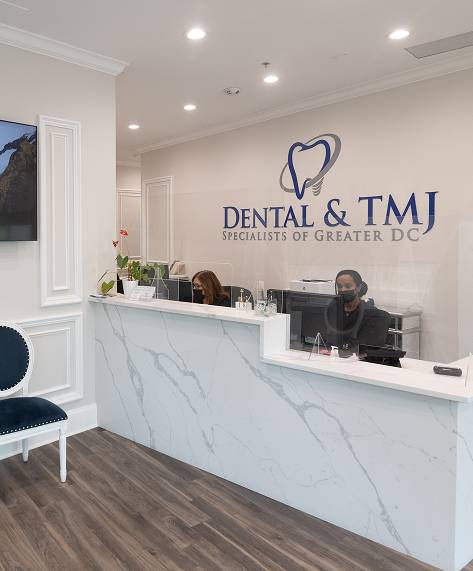
Why Choose Dental & TMJ Specialists of Greater DC
How Can Bruxism Be Treated
The team at Greater DC Specialists offers a range of treatment options tailored to each patient’s needs. Treatment may include:
Custom Occlusal Orthotic (Mouth Guard)
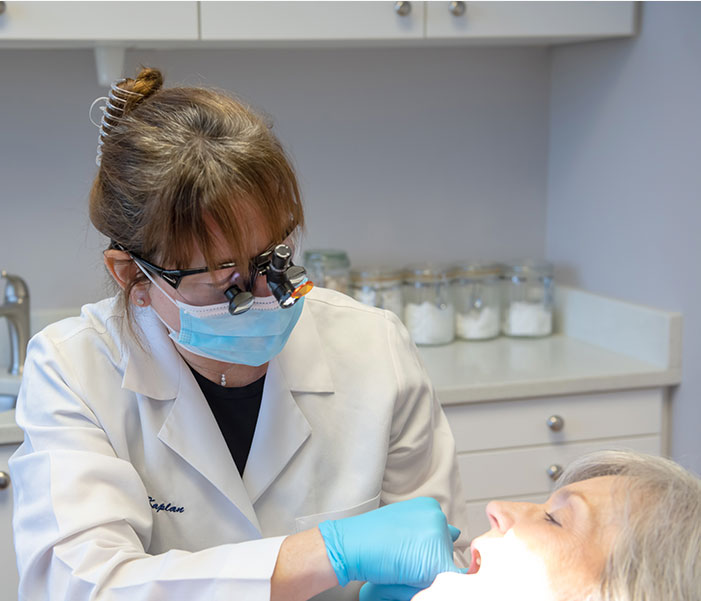
One of the most effective ways to prevent teeth grinding is with a custom-fitted orthotic. These orthotics/mouth guards create a protective barrier between the teeth, reducing the damage caused by grinding and clenching.
Stress Management Techniques
Stress is a main cause of bruxism. Relaxation techniques like meditation, therapy, and lifestyle changes can help reduce grinding.
Orthodontic Treatment
If misaligned teeth are the cause of bruxism, solutions such as braces or clear aligners can help correct the bite and minimize grinding. However, one of our providers should check your joint alignment first!
Botox for Bruxism (Botulinum toxin)
Botox injections can help relax overactive jaw muscles, reducing the intensity of clenching and grinding. This option is particularly beneficial for patients with severe or chronic bruxism and comes with few side effects.
Medication Adjustments
For patients with bruxism caused by some medications, it is important to talk to a healthcare provider. They can discuss other treatment options. This may help reduce symptoms.
What are the Benefits of Managing Bruxism
Proper treatment for bruxism can lead to several benefits, including:
- Reduced jaw pain and tension
- Preservation of tooth enamel and structure
- Fewer headaches and facial discomfort
- Improved sleep quality
- Lower risk of TMJ disorders
Who is a Candidate for Bruxism Treatment
Individuals experiencing frequent jaw pain, worn teeth, or sleep disturbances may benefit from bruxism treatment. A consultation with the team at Greater DC Specialists can help find the best approach based on your symptoms and causes.
Bruxism FAQs
How do I know if I have bruxism?
Can bruxism go away on its own?
How long does it take to see improvements with treatment?
Can children have bruxism?
Can bruxism cause TMJ disorder?
What are the symptoms of bruxism?
Is bruxism dangerous?
Who is at risk for bruxism?
How is bruxism diagnosed?
Can bruxism be cured?
Can I prevent bruxism?
When should I see a specialist about bruxism?
What treatments are available for bruxism?
What causes bruxism?
Do mouth guards help with bruxism?
Who is a good candidate for bruxism treatment?
Is bruxism harmful to my overall health?
Is the damage from bruxism permanent?
Are there different types of bruxism?
Is there a link between bruxism and sleep apnea?
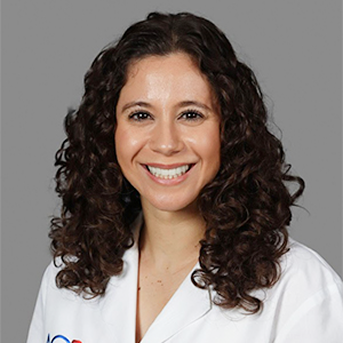
Meet Our Dental Experts








Schedule a Consultation
If you suspect you have bruxism, don’t wait until symptoms worsen. The experienced team at Greater DC Specialists is ready to provide personalized treatment options to help protect your oral health. Contact us today to schedule a consultation.
Award-Winning Care
Dr. Kaplan has recently been awarded by the American College of Prosthodontists recognizing extraordinary collegiality, outreach, and community service.

