

Sleep Apnea
What is Sleep Apnea?
Sleep apnea is a potentially serious sleep disorder in which breathing repeatedly stops and starts (sleep-disordered breathing). An individual may have mild to severe sleep apnea if they snore loudly, feel tired, or have a loss of focus, causing irritability even after a full night’s sleep.
Types of Sleep Apnea
Obstructive Sleep Apnea
The most common form of sleep apnea is called obstructive sleep apnea (OSA), a condition when breathing stops and is compromised due to constriction of the airways. With moderate to severe obstructive sleep apnea, sleep causes the throat to relax, blocking the upper airway and disrupting blood oxygen levels. OSA can range from mild to severe obstructive sleep apnea.
Central Sleep Apnea
Central sleep apnea represents another form of sleep apnea that disrupts the brain’s drive to breathe, leading to abnormal breathing patterns.
Researchers have linked untreated sleep apnea (even mild) to serious medical conditions such as heart disease, high blood pressure, diabetes, progressive brain damage, and Alzheimer’s disease.
Symptoms of Sleep Apnea
The symptoms of obstructive sleep apnea include:
- Stop breathing or breathing that stops and starts
- Loud snoring
- Excessive daytime sleepiness
- Morning headache
- Dry mouth
- Falling asleep during the day
Risk Factors of Sleep Apnea
Several risk factors can result in experiencing sleep apnea. These include a family history of sleep apnea, being overweight, having a large neck, and certain chronic medical conditions. Patients with these factors have a higher risk of developing sleep apnea.
How to Diagnose Sleep Apnea?
The way medical experts diagnose and treat obstructive sleep apnea is by having a sleep study done at a sleep center or hospital sleep lab. A sleep study is a non-invasive, overnight exam that allows doctors to monitor the patient while they sleep to see the activity in their brain and body. It can detect even mild sleep apnea, determining the number of sleep interruptions throughout the night.
The good news is that there are solutions for those who have been diagnosed with obstructive sleep apnea syndrome and loud snoring that are non-surgical and may have success in alleviating the problem.
Our team of prosthodontists has decades of experience helping patients treat their sleep apnea and get the restful sleep they need.
How is Sleep Apnea Treated?
People commonly use a device called a CPAP machine (Continuous Positive Airway Pressure) that keeps forcing air during sleep. It typically requires a sleep apnea diagnosis. Unfortunately, many people with sleep apnea are unable to tolerate the CPAP machine for the following reasons:
- Ongoing noise of the CPAP machine, making it difficult to sleep
- The facial mask causes a claustrophobic effect
- The movement of the facial mask while trying to sleep
- The constant flow of moist air causes discomfort to the patient
- The machine’s apparatus being quite cumbersome when traveling
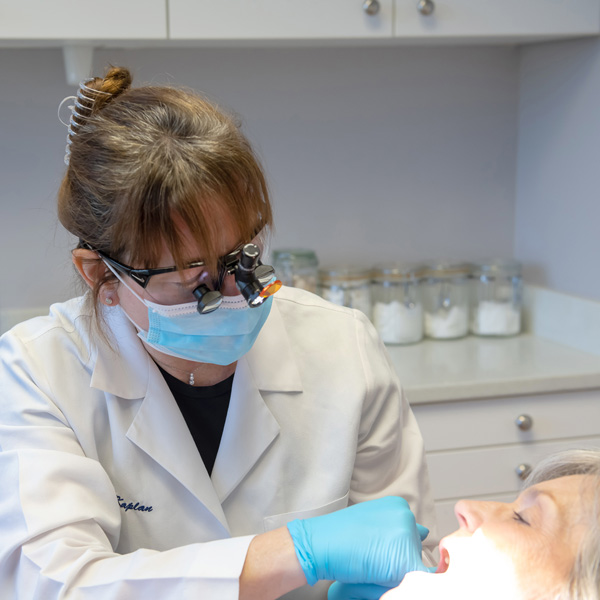
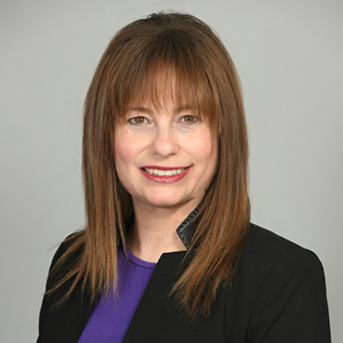
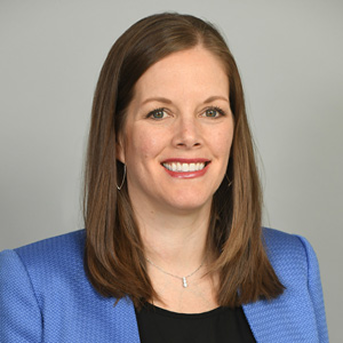
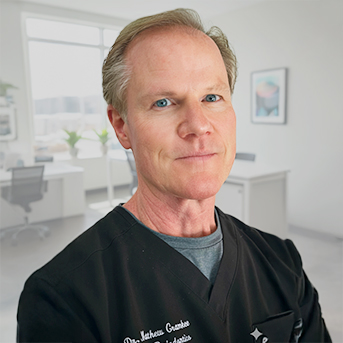
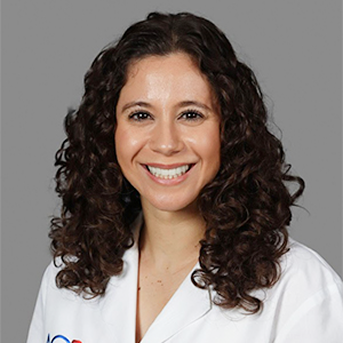
Drs. Kaplan, Bolding, and Singer have education in the field of obstructive sleep apnea and snoring solutions. As prosthodontists, they have developed an effective, less invasive oral appliance that is more comfortable than a conventional CPAP machine.
Oral Appliances/Oral Devices for Sleep Apnea Treatment
The obstructive sleep apnea and snoring appliance is an oral device that repositions the mandible (lower jawbone) forward, allowing the upper airway and upper airway muscles to make breathing while sleeping easier. As a result, it provides the patient with improved breathing capacity that allows uninterrupted sleep and eliminates snoring, lowering the chance of sleep apnea complications. Customarily, the fabrication of the appliance requires three major steps:
- A consultation between the prosthodontist and the patient to discuss the symptoms and to review the sleep study test results. After the consultation, impressions are taken of the patient’s upper and lower jaw to customize the device for a more comfortable and secure fit. Radiographs are taken of the bony structure and sinus areas.
- During the delivery of the OSA appliance, Drs. Kaplan, Bolding, and Singer refine the fit and the positioning of the appliance in the patient’s mouth. This process assures a greater sense of comfort and efficiency for the patient.
- A follow-up after the patient has worn the OSA appliance
Patients rave about the improvement of their quality of life, which includes more energy due to uninterrupted rest while using their OSA and snoring appliance! It’s a state-of-the-art and innovative new way to treat sleep apnea that can avoid the need for a CPAP machine.
Providing You State-Of-The-Art
Dental & TMJ Treatment
Sleep Apnea FAQs
Are oral appliance for sleep apnea covered by insurance?Can a dental appliance help sleep apnea?Do all snorers have sleep apnea?Do mouth guards work for sleep apnea?Do night guards work?Does sleep apnea get worse with age?Does Snore Guard help with sleep apnea?How did I develop sleep apnea?How do dentists treat sleep apnea?How effective is oral appliance for sleep apnea?What aggravates sleep apnea?What are the warning signs of sleep apnea?What happens if sleep apnea is left untreated?What is the best dental device for sleep apnea?What is the best mouthpiece for sleep apnea? |
Meet Our Dental Experts





Schedule Your Sleep Apnea Consultation Today
Don’t let sleep apnea disrupt your life any longer; Greater DC Specialists is here to help you achieve restful, uninterrupted sleep. Schedule a consultation with our experienced team to discuss personalized treatment options that can improve your sleep and enhance your overall health.
Award-Winning Care
Dr. Kaplan has recently been awarded by the American College of Prosthodontists recognizing extraordinary collegiality, outreach, and community service.

