

Complex Medical Conditions & Diseases
Patients who suffer from complex medical conditions and diseases such as cardiovascular disease, diabetes, thyroid conditions, dementia, Alzheimer’s disease, bisphosphonate use, genetic disorders, Parkinson’s disease, rheumatoid arthritis, osteoarthritis, Lyme disease, and Ehlers-Danlos Syndrome (EDS) require additional medical attention and care prior to receiving their dental treatments.
As Prosthodontists, the doctors at Dental & TMJ Specialists of Greater DC have advanced education, training, and experience to work closely with medical providers throughout the patient’s dental treatment. As a result, this ensures optimal oral health for the patient without compromising their existing medical condition.

How Do Complex Genetic Diseases Impact My Care?
Complex genetic diseases can affect dental health and treatment in different ways. Unlike conditions caused by a single genetic factor, many complex diseases involve multiple genes, as well as environmental factors, lifestyle, and overall health. Genetic variation may affect disease risk, symptoms, disease progression, and treatment response, creating complex health needs that require individualized medical and dental care.
A patient’s family history and underlying genetic and environmental factors may provide useful information during a dental evaluation, particularly when a condition affects the teeth, gums, jaw, bone health, immune response, or healing ability. Conditions such as cystic fibrosis, multiple sclerosis, autoimmune conditions, and other complex genetic diseases may require dental providers to consider the patient’s broader medical history when developing treatment strategies. Rather than treating oral health separately, an integrated approach can help coordinate patient care with the medical system and other healthcare providers.
For patients with complex medical conditions, personalized care may also involve reviewing medications, previous treatments, disease progression, and other factors that could influence dental treatment. This approach allows specialists at Dental & TMJ Specialists of Greater DC to account for complex health needs while developing a treatment plan tailored to each patient’s circumstances.
Meeting With a Specialist
Patients undergoing radiation therapy and/or chemotherapy are encouraged to meet with the specialists at Dental & TMJ Specialists of Greater DC before and after their medical treatments. With extensive clinical training, education, and experience, our specialists can prepare patients’ teeth, gums, and mouth in general before and after therapy.
Dental Considerations For Complex Diseases and Chronic Medical Conditions
Complex medical conditions and diseases can influence dental health, treatment planning, healing, medication use, and a patient’s ability to tolerate certain procedures. Some conditions may directly affect the mouth, while others can create indirect dental concerns through medications, changes in immune function, bone health, mobility, or other systemic effects.
Because many complex diseases involve multiple contributing factors, dental care may require communication between the patient, Prosthodontist, physician, and other healthcare providers. A thorough review of medical history, medications, symptoms, and existing health concerns can help identify potential risks and support appropriate treatment strategies. The following are examples of complex medical conditions that may require additional consideration during dental care.
Cardiovascular Disease
Cardiovascular disease can create important considerations when planning dental treatment. Heart disease and other cardiovascular conditions may affect a patient’s medications, ability to tolerate certain procedures, and appropriate precautions before treatment.
Diabetes
Diabetes can affect oral health and may increase the risk of gum disease, infection, dry mouth, and other dental concerns. Blood glucose control can also be an important consideration when planning treatment and evaluating healing.
Thyroid Conditions
Thyroid conditions can affect overall health and may require consideration when planning dental treatment. Medications used to manage thyroid disorders can also be relevant to a patient’s medical history.
Dementia
Dementia can affect memory, communication, daily routines, and a patient’s ability to maintain oral hygiene or follow complex treatment instructions. As the condition progresses, patients may require additional support from caregivers and other healthcare providers.
Alzheimer’s Disease
Alzheimer’s disease can create complex health needs that affect oral hygiene, communication, treatment cooperation, and the ability to remember dental instructions. As the disease progresses, maintaining consistent dental care may become increasingly important.
Bisphosphonate Usage
Bisphosphonate medications are commonly prescribed for certain bone-related conditions and other medical needs. Because these medications can affect bone remodeling, they are an important consideration when planning certain dental procedures, particularly procedures involving the jawbone.
Genetic Disorders
Genetic disorders can affect patients in many different ways, including their oral structures, bone development, immune function, healing, and susceptibility to certain diseases. Some conditions result from a specific genetic change, while many complex diseases involve many genes along with environmental contributors.
Parkinson’s Disease
Parkinson’s disease can affect movement, coordination, swallowing, speech, and the ability to perform daily oral hygiene. Tremors or reduced mobility may make brushing, flossing, or denture care more difficult.
Rheumatoid Arthritis
Rheumatoid arthritis is an autoimmune condition that can affect joints throughout the body and may make routine oral hygiene or dental treatment more difficult. Limited hand movement can interfere with brushing and flossing, and medications used to manage the condition may also affect dental care.
Osteoarthritis
Osteoarthritis can affect mobility and may make it difficult for some patients to remain in a dental chair for extended periods. When the condition affects the jaw joints, patients may also experience discomfort or limitations when opening their mouths.
Lyme Disease
Lyme disease can cause symptoms that vary from person to person and may involve multiple body systems. Patients with ongoing symptoms or a history of Lyme disease should share relevant medical information and medications with their dental provider.
Ehlers-Danlos Syndrome (EDS)
Ehlers-Danlos Syndrome is a group of inherited connective tissue disorders that can affect joints, skin, and other tissues throughout the body. Depending on the specific type of EDS, patients may have unique considerations involving tissue fragility, joint instability, bleeding, or healing.
Dry Mouth
Xerostomia, better known as dry mouth, can also hinder caries (cavity) prevention and optimal denture success. Dryness can result from a systemic syndrome or from medications used to treat conditions other than systemic disorders. Patients who experience persistent dry mouth or other concerning symptoms are encouraged to contact their physician or Prosthodontist for a consultation.
Meet Our Dental Experts








Providing You State-Of-The-Art
Dental & TMJ Treatment
Complex Medical Conditions & Diseases Consultations
Living with a complex medical condition or disease can affect your dental needs. Our team at Greater DC Specialists has the expertise to manage the unique challenges these conditions present, ensuring a comprehensive risk assessment before your dental care. Schedule your consultation today, and we will create a treatment plan that works with your overall health.
Award-Winning Care
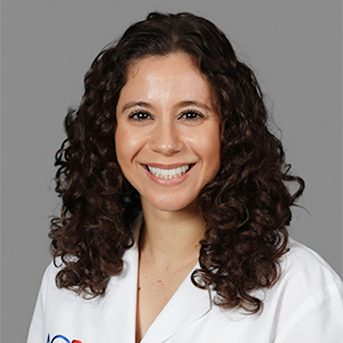
Dr. Kaplan has recently been awarded by the American College of Prosthodontists recognizing extraordinary collegiality, outreach, and community service.

