

Veneers
What are Dental Veneers?
Dental veneers are a cosmetic procedure where thin coverings are placed over the visible front part of the tooth. Veneers are made from sturdy dental composite and porcelain. This procedure improves the aesthetics of a smile and/or protects the tooth’s surface from damage. Dentists can use veneers to correct a wide range of dental issues, such as stained teeth that bleaching cannot whiten, or chipped or worn teeth.
Instead of traditional porcelain veneers or composite resin veneers, we use composite veneers that retain the benefits of porcelain veneers (they are highly stain-resistant) while adding the strength of composite, allowing them to last longer and match your natural teeth.
Cosmetic dentistry patients at Dental & TMJ Specialists of Greater DC rave about the natural-looking appeal once our doctors have completed their custom veneers and addressed their cosmetic concerns. Our team of highly-trained and experienced dentists and prosthodontists will customize your veneers to your unique goals. Drs. Kaplan, Singer, and Bolding will tailor your veneers to your teeth and help you achieve your dream smile.
Who are Good Candidates for Porcelain and Composite Veneers?
Almost anyone looking to change the look of their teeth is a good candidate for dental veneers, but what exactly does this dental procedure fix? They can address the following dental concerns:
- Stained or discolored teeth
- Chipped tooth
- Gaps and spaced in the teeth
- Cracked teeth
- Crooked teeth
- Worn down or misshapen teeth
- Broken teeth

What to Expect from the Dental Veneers Procedure
Consultation and Tooth Preparation
During your initial appointment, your dentist will examine your teeth and gums to determine if you’re eligible. If you’re a candidate, they’ll prepare your teeth by removing small amounts of tooth enamel from the surface of a tooth. After the enamel is removed, we’ll place temporary veneers that you’ll wear while you wait for the weeks it takes for your custom veneers to come in from the dental lab.
Procedure Details
During your next appointment, your provider will check the shape, color, and fit of your veneers and then use dental cement to permanently bond them in place. We’ll then check your bite and make any necessary adjustments to ensure it matches your natural tooth enamel color and entire tooth structure.
Once your permanent veneers are in place, you can resume your daily routine. You can eat and drink right away, as long as the anesthesia has worn off.
Veneer Placement
The veneer placement process is designed to create a comfortable experience while delivering long-lasting, natural-looking results. Once your custom-made veneers are ready from the dental lab, your cosmetic dentist will carefully evaluate their fit, color, and shape before permanently securing them to the front surface of each tooth using durable dental cement. Minor adjustments may be made to ensure your bite feels comfortable and your veneers blend seamlessly with your natural teeth and surrounding gum line.
Aftercare
To maintain your tooth color and oral health, you’ll want to take proper care of them like you would your natural teeth. Brush and floss regularly, avoid excess sugar, stay hydrated, and attend your regular checkups for cleanings. This ensures your veneers maintain their flawless and natural appearance.
With veneers, you should avoid teeth whitening. Your doctor will give you options to keep your teeth white and your smile bright.
Veneers FAQs
Are crowns better than veneers?Are Porcelain veneers permanent?Can veneers fall off?Can you get veneers on bottom teeth?Can you sleep with veneers?Can you use mouthwash with veneers?Do veneers feel like real teeth?Do veneers make your teeth look bigger?Do Veneers stay white?Do you have to brush your teeth with veneers?How do you clean your teeth under veneers?How do you know if you need veneers?How long does it take to get veneers done?How often do veneers have to be replaced?Is it painful to get porcelain veneers?What cant you eat with veneers?What happens to teeth under veneers?What is the best toothpaste for porcelain veneers?What is the process of getting porcelain veneers?Will whitening strips damage veneers? |
Meet Our Dental Experts



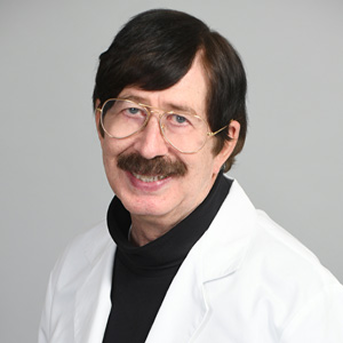

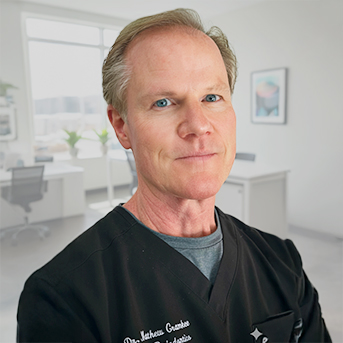


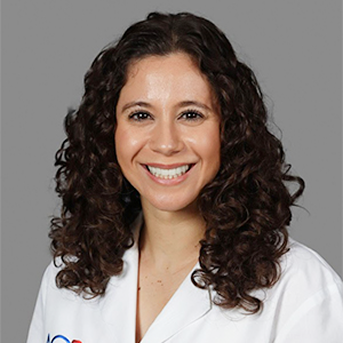
Schedule A Consultation
Ready to achieve a flawless smile in Washington, DC with a smile makeover? Look no further than Dental & TMJ Specialists of Greater DC. Our team of experienced doctors will ensure you receive the beautiful smile you deserve with customized veneers.
To get started today, schedule a consultation by calling our Bethesda, MD office at (240) 973-4014 or filling out our online contact form.
Award-Winning Care
Dr. Kaplan has recently been awarded by the American College of Prosthodontists recognizing extraordinary collegiality, outreach, and community service.

