

Porcelain Veneers Recovery and Aftercare
Porcelain veneers recovery and aftercare is one of the most common topics patients research before committing to treatment, and for good reason. Understanding what the process actually involves allows you to plan appropriately, protect your investment, and feel confident moving forward. Most patients are pleased to find that the adjustment period is more manageable than they anticipated, though an honest understanding of the timeline is essential. This guide walks you through each phase of recovery, provides practical tips for a smooth experience, and explains how our board-certified specialist team in Bethesda, MD, supports you throughout the entire process. If you have questions specific to your case, we encourage you to contact our office to schedule a consultation.
Early Recovery: What to Expect During the First Week After Porcelain Veneers
The first 24 to 48 hours following veneer placement are typically when patients notice the most sensitivity and adjustment. Because the tooth surfaces are lightly prepared to accommodate the porcelain shells, some patients experience heightened sensitivity to temperature, particularly cold beverages and foods. This is normal and typically diminishes within a few days for most patients. Mild gum tenderness around the treated teeth is also common during this period.
During the first two days, it is important to avoid extremely hot or cold foods and beverages, hard or crunchy items, and anything sticky that could stress the bonded restorations. Over-the-counter pain relievers such as ibuprofen or acetaminophen, taken as directed, are sufficient for managing discomfort for most patients. Your care team will provide specific guidance tailored to your case.
By days three through seven, most patients notice a meaningful improvement in sensitivity levels and begin feeling comfortable with normal speaking and eating patterns. Light activity is typically well tolerated within the first few days. If temporary veneers were placed during a preparatory appointment, the same care guidelines apply. A follow-up appointment is generally scheduled within this window so your provider can verify fit, bite alignment, and bonding integrity. Individual results may vary based on the number of veneers placed and your personal healing response.
Weeks 2 Through 4 and Long-Term Results
For most patients, weeks two through four mark a period of progressive normalization. Sensitivity continues to resolve, and the veneers begin to feel like a natural part of your smile. By the end of the second week, the majority of patients have fully resumed their regular diet, social commitments, and professional routines without limitation.
Exercise and more strenuous physical activity are generally well tolerated within the first week for most patients, though those who also received periodontal or gum-related treatment as part of a comprehensive plan may have a slightly extended timeline. Your provider will offer personalized guidance based on the full scope of your treatment.
By weeks three and four, the bite typically feels fully settled and natural. The gum tissue around each veneer has generally completed its initial healing, and the aesthetic result is fully visible at this stage. Porcelain veneers are designed to reflect light similarly to natural tooth enamel, and many patients find that the final appearance integrates seamlessly with their surrounding dentition.
Long-term results depend significantly on maintenance habits. With proper care, including consistent professional dental cleanings and hygiene visits and attentive at-home care, porcelain veneers may maintain their appearance and function for ten to fifteen years or longer.
Tips for a Smooth Porcelain Veneers Recovery and Aftercare Routine
Following a thoughtful aftercare routine from day one supports both your comfort and the longevity of your veneers. Our team at our Bethesda, MD practice provides personalized guidance at each stage, and detailed instructions are also available through our care instructions resource. The following practices are recommended for most patients:
- Prepare in advance: Stock your home with soft foods, a soft-bristle toothbrush, and non-abrasive toothpaste before your appointment day.
- Avoid staining agents early on: Coffee, tea, red wine, and tobacco may affect bonding materials in the initial days; moderating these during the first two weeks is advisable.
- Use non-abrasive dental products: Harsh whitening toothpastes and abrasive mouth rinses can, over time, affect the surface finish of porcelain. If you are interested in whitening the surrounding teeth, explore professional teeth-whitening options before veneer placement, as this should be coordinated with your provider.
- Protect against grinding: If you have a history of bruxism, a custom nightguard is an important part of your aftercare plan. Our team has specialized expertise in bruxism treatment and can incorporate this into your overall care.
- Maintain consistent oral hygiene: Brush gently twice daily and floss once daily. Clean around the gum margins of each veneer with care.
- Wear sun protection for lip and facial tissue: Particularly relevant following any gum or soft tissue treatment performed alongside veneer placement.
- Keep all scheduled follow-up appointments: These visits allow your provider to confirm proper occlusion, bonding integrity, and overall healing progress.
When to Contact the Office
Most patients progress through porcelain veneers recovery and aftercare without complication. However, certain signs indicate you should contact our office promptly:
- A veneer that feels loose, shifts, or fully detaches
- Persistent sensitivity that is intensifying rather than resolving beyond the first week
- Noticeable changes in your bite that cause discomfort or uneven contact
- Swelling, prolonged gum soreness, or visible inflammation that is not improving
- Any fracture or chip to a veneer surface
These concerns are not common, but addressing them promptly protects your results and overall oral health. Our team is accessible and will make sure you receive timely guidance whenever a question or concern arises.
You can reach us directly by calling our office or visiting our contact page.
Our Approach to Porcelain Veneers Aftercare in Bethesda, MD
At our multi-specialty practice in Bethesda, MD, porcelain veneers recovery and aftercare are treated as a continuation of the care relationship, not a conclusion to it. Our board-certified prosthodontists design each follow-up protocol around the individual patient’s full clinical picture, including any periodontal, occlusal, or restorative factors addressed alongside veneer placement. Because our practice brings together specialists in prosthodontics, periodontics, and TMJ and orofacial pain under one roof, patients with more complex needs receive coordinated guidance rather than fragmented advice.
Our doctors are recognized by both the dental and medical communities and serve patients locally in the greater Washington, DC area as well as nationally and internationally. This breadth of experience informs every aspect of our aftercare approach. Comprehensive follow-up visits, accessible communication with your care team, and long-term maintenance planning are all standard components of treatment at our practice. Explore the full scope of our cosmetic dentistry services to understand how veneers may fit within a broader restorative plan.
Ready to take the next step? Contact our Bethesda office to schedule your consultation with our specialist team.
Frequently Asked Questions: Porcelain Veneers Recovery and Aftercare
How long does porcelain veneer recovery typically take?
For most patients, the primary adjustment period spans one to two weeks. Tooth sensitivity typically diminishes within the first several days, and most patients resume their full routine within one to two weeks. The bite and surrounding gum tissue generally feel fully settled by weeks three to four. The complete timeline varies based on the number of veneers placed and whether additional procedures were performed concurrently. Individual results may vary.
How is discomfort managed during porcelain veneers aftercare?
Discomfort following veneer placement is generally mild and well-tolerated by most patients. Over-the-counter anti-inflammatory medications such as ibuprofen or acetaminophen, taken as directed, are sufficient for managing sensitivity during the initial days. Your provider will give personalized recommendations at your appointment. Patients with a history of TMJ concerns or orofacial pain conditions may receive additional guidance specific to their situation. Contact the office if discomfort is significant or persists.
When can I return to work and normal activities after porcelain veneers?
Most patients return to professional and social activities within one to two days of their veneer appointment. There is typically no period of visible recovery that would require time away from work or public settings. Patients who received more extensive preparation or concurrent periodontal treatment may benefit from a slightly extended adjustment period. Your care team will provide specific guidance based on the full scope of your individual treatment plan and healing response.
When will I see the final results of my porcelain veneers?
The aesthetic result of porcelain veneers is largely visible immediately following placement. However, the gum tissue around each veneer continues to settle for two to four weeks, and the bite typically reaches its most natural feel within the same window. Final results, including how the veneers integrate visually with surrounding teeth, are generally fully appreciable by the end of the first month. Individual results may vary based on treatment scope and personal healing characteristics.
Do porcelain veneers require special long-term maintenance?
Porcelain veneers do not require dramatically different maintenance from natural teeth, but consistent habits are essential for longevity. Twice-daily brushing with a non-abrasive toothpaste, daily flossing, and regular professional cleanings are the foundation of long-term care. Patients with bruxism should use a custom nightguard to protect their veneers. Avoiding biting directly into very hard foods and moderating staining agents helps preserve the porcelain surface over time. Individual results and longevity may vary.
Schedule Your Porcelain Veneers Consultation in Bethesda, MD
If you are considering porcelain veneers and want to understand the full process from preparation through long-term aftercare, our board-certified specialist team is here to guide you. Serving patients in Bethesda, MD, and throughout the greater Washington, DC region, we bring multi-specialty expertise to every case. Call us for details or visit our contact page to request your consultation.
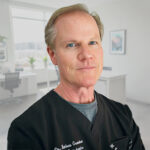
Matthew J. Gramkee DDS, MS
Dr. Matthew Gramkee is part of the TMJ team, bringing extensive surgical and clinical pain management expertise. A Board-Certified Periodontist, he offers over 25 years of U.S. Navy experience and advanced training in periodontics, implant dentistry, and facial esthetics, including Botox therapy for head, neck, and facial pain. Dr. Gramkee completed his Periodontics residency at the Naval Postgraduate Dental School, graduating first in his class, and later served as Chair of the Navy’s periodontics residency program and Specialty Advisor to the Surgeon General. He has lectured nationally and internationally on periodontics and implant dentistry and earned multiple awards for clinical excellence and education. Dr. Gramkee also holds the title of odontólogo from the University of Granada and maintains a dental license in Cádiz, Spain.

Understanding what to expect during porcelain veneers is one of the most important steps a prospective patient can take before beginning treatment.…

If you’re researching how much porcelain veneers cost in Bethesda, MD, you’re asking exactly the right question before moving forward. Porcelain…
Award-Winning Care
Dr. Kaplan has recently been awarded by the American College of Prosthodontists recognizing extraordinary collegiality, outreach, and community service.

