

Ectodermal Dysplasias
Patients With Ectodermal Dysplasias
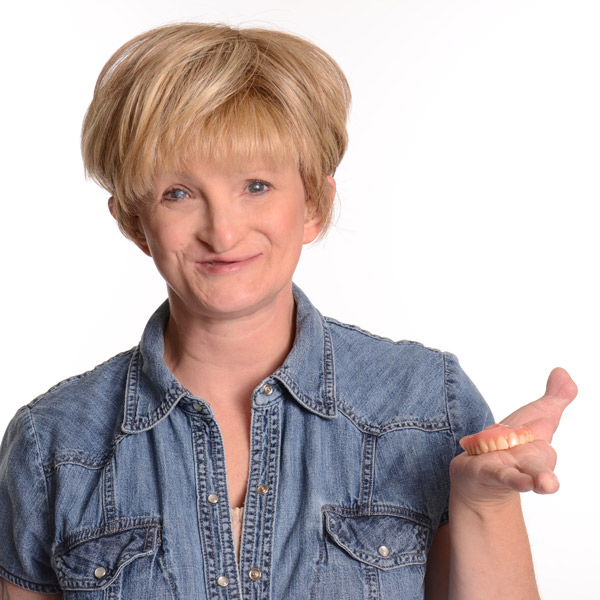
Ectodermal dysplasias are a group of over 150 inherited disorders that impair the development of the ectodermal structures of the skin, hair, nails, teeth (causes dental abnormalities and missing teeth), and sweat glands. When a person has at least two types of abnormal ectodermal features—for example, malformed teeth and extremely sparse hair—the individual is commonly identified as being affected by ectodermal dysplasia. The disease can also be known as hidrotic ectodermal dysplasia, X-linked hypohidrotic ectodermal dysplasia, or anhidrotic ectodermal dysplasia.
Understanding Ectodermal Dysplasias
The ectodermal dysplasias are caused by changes or misspellings in our genes. In medical terms, these are often called “mutations”. Many genetic changes are unique to a family. However, even in families and individuals who have the exact same mutation, there can be variability in how the condition affects each family member.
Photo Courtesy of the National Foundation for Ectodermal Dysplasias
Genetic Causes and Inheritance
Different forms of ectodermal dysplasia can result from slight changes in different genes to severe abnormalities and may follow different inheritance patterns, including:
- X-linked: X-linked hypohidrotic ectodermal dysplasia is one of the more common forms and can affect male and female patients differently.
- Autosomal dominant: A disease-causing genetic change in one copy of a gene can cause certain forms, including some cases of hidrotic ectodermal dysplasia, also known as Clouston syndrome.
- Autosomal recessive: Some forms require a disease-causing change in both copies of a particular gene.
- New genetic changes: Ectodermal dysplasia can sometimes occur without a known family history when a new mutation or immune deficiency develops.
Diagnosis and Genetic Counseling
Because ectodermal dysplasias are rare diseases, diagnosis may involve a physical examination, review of the patient’s medical and family history, and evaluation of characteristic dental, skin, hair, and nail findings. Genetic testing and a clinical and molecular review may help identify the specific condition and its underlying genetic cause. Genetic counseling can help patients and families understand the diagnosis, potential inheritance pattern, and implications for other family members.
For patients with dental manifestations, understanding the underlying genetic condition can help dental specialists anticipate problems involving permanent teeth, tooth enamel, tooth decay, abnormal eruption, and missing teeth. Early evaluation allows the dental team to develop a long-term treatment plan that can adapt as a child grows and develops.
Characteristics of Ectodermal Dysplasias
Oral characteristics may include:
Missing Primary and/or Adult Teeth
One of the most common oral manifestations of ectodermal dysplasias is missing teeth, which may affect both primary and permanent teeth. Some patients may experience a complete absence of certain teeth, while others may have only a few missing teeth. Hypohidrotic ectodermal dysplasia, including X-linked hypohidrotic ectodermal dysplasia, can be associated with significant teeth abnormalities and abnormal development of the dental structures. Missing teeth can affect chewing, speech, facial development, and appearance, particularly during early childhood as the jaw continues to grow. A comprehensive evaluation can help determine the appropriate sequence of treatment for replacing missing teeth and supporting healthy oral development.
Malformed Teeth
Patients with ectodermal dysplasias may develop malformed or unusually shaped teeth because the condition can affect the development of ectodermal structures, including tooth enamel and other dental tissues. Teeth may be smaller than expected, pointed, widely spaced, or otherwise abnormal in shape. Some patients may also have thin or defective tooth enamel, which can increase the risk of tooth decay and sensitivity. The specific dental characteristics can vary considerably among the different ectodermal dysplasias, including hidrotic ectodermal dysplasia, Clouston syndrome, and other inherited disorders. Identifying these clinical manifestations early allows a dental team to develop a treatment plan that accounts for the patient’s individual dental and developmental needs.
Abnormal and/or Unpredictable Tooth Eruption
Abnormal tooth eruption is another potential oral characteristic of ectodermal dysplasias. Permanent teeth may erupt later than expected, erupt in an unusual position, or fail to erupt completely. These concerns can occur alongside missing teeth, malformed teeth, and other ectodermal defects that affect normal dental development. Because children with ectodermal dysplasia continue to experience changes as their jaws and facial structures develop, dental care may need to occur in multiple stages. Regular examinations during early childhood and adolescence allow specialists to monitor the eruption of permanent teeth and adjust the treatment plan as development progresses.
Cleft Lip or Cleft Palate
Some forms of ectodermal dysplasias may be associated with additional developmental abnormalities, including cleft lip or cleft palate. These conditions occur when certain facial structures do not fuse completely during development and can affect feeding, speech, dental development, and overall oral function. Cleft lip and cleft palate may occur as part of specific genetic syndromes, such as EEC syndrome, which can involve ectodermal tissues as well as limb and other structural abnormalities. Patients with these complex conditions may benefit from coordinated care involving dental specialists and other healthcare professionals. A thorough physical examination, family history, and, when appropriate, genetic testing can help clarify the underlying condition and its inheritance pattern.
Cavity-Prone Teeth
Patients with ectodermal dysplasias may be more susceptible to cavities because abnormalities in tooth structure, enamel development, saliva production, or salivary gland function can make maintaining oral health more challenging. Reduced saliva or decreased sweating may occur in certain forms, such as hypohidrotic ectodermal dysplasia, because the condition can affect structures including the eccrine and other glands. Abnormal tooth enamel and malformed teeth may further increase the risk of tooth decay. Preventive dental care, regular examinations, professional cleanings, fluoride when appropriate, and careful daily oral hygiene can help protect the teeth and support long-term oral health. Because ectodermal dysplasias are rare genetic disorders with a wide range of clinical manifestations, individualized care is important for addressing each patient’s specific needs.
Important Note to Parents
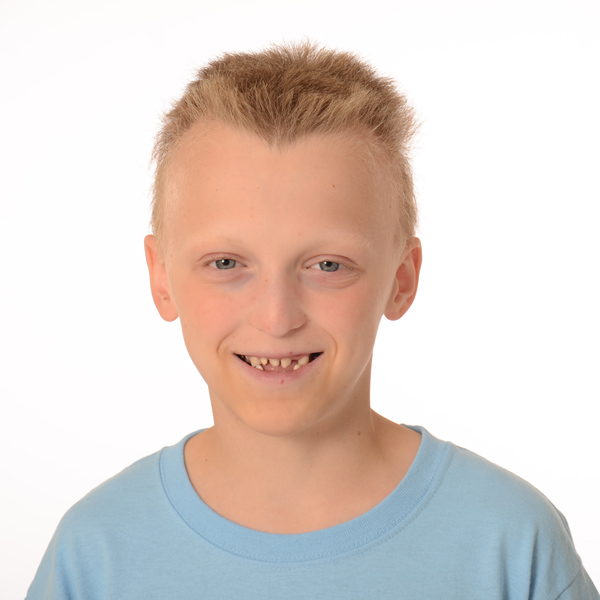
The young, adolescent ectodermal dysplasias dental patient often requires several stages of treatment due to the growing and changing child; the unusual growth patterns and/or missing boney ridges in the gum area and dental structures. This treatment is best handled by a team of trained experts who specialize in determining the proper sequence for dental patients with ectodermal dysplasias.
Dental & TMJ Specialists of Greater DC consists of a team of dental experts and health care professionals that have extensive hours of training and experience treating patients from adolescents to adulthood with ectodermal dysplasia in the oral cavity. As a full scope dental practice and in affiliation with the National Foundation of Ectodermal Dysplasias (NFED), our patients are appreciative that all specialty fields of dentistry are encompassed into one office.
Leading our team of ectodermal dysplasia dental experts is Dr. Carl Driscoll, a board certified Maxillofacial Prosthodontist, with over thirty-years of experience treating patients with Ectodermal Dysplasia in the oral cavity.
For more information about the Dental & TMJ Specialists of Greater DC or to schedule a consultation, please contact our Executive Director, Jillian Grinfeld at 301-493–9500.
Photo Courtesy of the National Foundation for Ectodermal Dysplasias
Providing You State-Of-The-Art
Dental & TMJ Treatment
Meet Our Dental Experts



Ectodermal Dysplasia
Ectodermal dysplasia affect the development of skin, hair, and nails, and can impact oral health as well. At Greater DC Specialists, we offer personalized care for patients with ectodermal dysplasia to ensure comfort and long-term dental health. Contact us today to schedule a consultation and learn more about your options.
Award-Winning Care
Dr. Kaplan has recently been awarded by the American College of Prosthodontists recognizing extraordinary collegiality, outreach, and community service.

