What are Dental Crowns?
A crown (or cap) is a covering that encases the entire tooth surface, restoring it to its original shape and size. It protects and strengthens tooth structures that cannot be restored with fillings or other types of restorations.
What are Dental Crowns Used For?
Dental crowns are part of restorative dentistry that can be used to protect a weak tooth, hold together parts of a cracked tooth, restore an already broken tooth, or cover a dental implant that’s replacing that missing tooth. A crown is essentially a tooth shaped cap that fits over a prepared tooth to restore strength, function, and appearance. Crowns are designed to withstand everyday biting and chewing forces while protecting the visible portion of the tooth above the gumline. In some cases, crowns also help preserve neighboring teeth by maintaining proper spacing and alignment. Depending on the patient’s needs, different materials may be recommended, including stainless steel crowns, composite resin crowns, or PFM crowns, each offering unique benefits based on durability and aesthetics. Occasionally, crowns are used to improve the shape, color, bite, or alignment so the restored tooth blends seamlessly with normal teeth.
Who is a Candidate for Dental Crowns?
Dental crowns are most appropriate for patients with severely decayed tooth structures, cracked or misshapen teeth, or those with dental implants for missing teeth or to address gum disease due to a missing tooth. During treatment planning, your dentist will determine the most appropriate crown type based on location, function, and cosmetic goals. Your final crown combines restorative support with long-term protection. You should also be in generally good health, practice good dental care, and have enough remaining tooth structure to properly support the restoration.
Benefits of Dental Crowns
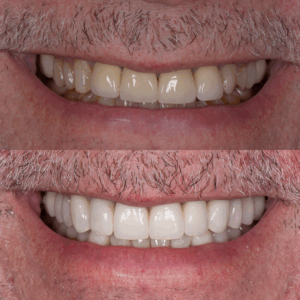
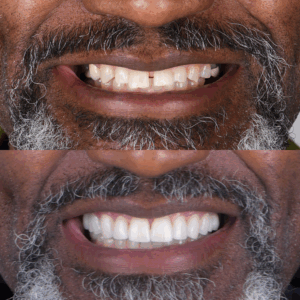
One of the main benefits of dental crowns is that they strengthen and protect damaged teeth to ensure any damage can’t get any worse. Beyond that, they can also improve the appearance of the tooth and improve its function. And because a dental crown improves the look of the teeth, it can ensure you can achieve a more beautiful smile and boost your confidence. Dental crowns can also provide pain relief by protecting nerve endings.

Types of Dental Crowns
Although crowns can be made of several different types of materials, porcelain-fused crowns are the most popular. They are highly durable and will last many years, but like most dental restorations, they may eventually need to be replaced. Porcelain crowns are made to match the shape, size, and color of the other teeth, giving patients a natural, long-lasting, beautiful smile.
Metal or gold crowns are also available. While metal crowns rarely chip, because they are a metallic color, they are not as commonly asked for.
Restoring teeth with crowns is necessary for broken or fractured teeth, cosmetic enhancement, decayed teeth, fractured fillings, large fillings, and teeth with root canals. At our practice, we offer the following types of crowns:
E-Max Crowns
An E-max crown is an all-glass, ceramic crown made from a high-grade, durable, long-lasting ceramic called lithium disilicate. Many patients prefer it due to its natural-looking aesthetic qualities combined with its unlikelihood of being noticed amongst the natural opposing teeth. It is important to note that the E-max crown does not have a metal alloy base, which avoids any unsightly grey lines around the gum line.
Zirconia Crowns
All ceramic Zirconia crowns (also known as monolithic zirconia crowns) are made from zirconium dioxide. This highly favorable crown has grown in popularity in the past few years because it can be fabricated very closely to the color of the patient’s natural tooth. They offer an excellent balance of strength, durability, and aesthetics, making them a popular choice for tooth restoration.
Temporary vs Permanent Crowns
While temporary crowns can be created in your dentist’s office, most permanent crowns must be made in a dental laboratory. Temporary crowns are usually made of an acrylic-based material and can be used temporarily until a more permanent crown is created.

What to Expect During Your Dental Crown Procedure
To prepare your dental crown, your dentist may take X-rays to assess the tooth, its roots, and the surrounding bone. If there is extensive tooth decay, a very deep fracture, or other issues, a root canal may be necessary.
To create a crown, your tooth and gums around the tooth will be numbed. Next, the tooth will be reshaped to make room for the crown. Following the reshaping of the tooth, an impression will be made by using a 3D special digital scanner, or by using paste or putty. The impressions will include the surrounding teeth above and below the tooth to ensure a well-fitting crown. These impressions or scans will be sent to the dental lab, where the crown will be created. You will leave with a temporary crown while the permanent crown is being made.
During your second visit, your dentist will gently remove the temporary crown from the crowned tooth, and the new crown fit will be confirmed. Next, it will be cemented into place. You will be able to return to most of your normal activities after your crown placement.
Schedule a Consultation
If you are interested in learning more about dental crowns, please contact Dental & TMJ Specialists of Greater DC in Bethesda, MD, today. As prosthodontists, crowns and teeth aesthetics are our specialty, and we are dedicated to providing you with the best dental crowns.
Dental Crowns FAQs
Can you eat normally with a crown?
You can absolutely eat normally with a dental crown, but its important to be mindful of a few considerations to ensure the longevity of the crown and your overall dental health. It is advisable to avoid extremely hard or sticky foods, especially directly after the crown is placed, as these might damage or dislodge the crown. Also, maintaining good oral hygiene by brushing and flossing regularly helps prevent decay and issues with the teeth supporting the crown.
How long do zirconia crowns last?
Zirconia crowns are known for their exceptional durability and longevity, making them a popular choice in restorative dentistry. Typically, zirconia crowns can last anywhere from 10 to 15 years, and sometimes even longer with proper care.
Is a crown stronger than a tooth?
In restorative dentistry, dental crowns are often used to protect and strengthen damaged teeth. While a crown itself is quite durable, due to being crafted from strong materials like porcelain, metal, or a combination of both, it doesnt necessarily mean its stronger than a natural tooth.
Are zirconia crowns more expensive than porcelain?
Zirconia crowns tend to be more expensive compared to traditional porcelain crowns due to their durability and longevity.
Can a crown last a lifetime?
A dental crown can last a lifetime, but several factors can influence its longevity. Typically, the material used, such as porcelain or metal, and the quality of the dental work play significant roles in determining how long a crown can last. On average, crowns are designed to last anywhere from 5 to 15 years.
How long after a crown is cemented can I eat?
After having a dental crown cemented, its essential to follow your dentists instructions regarding eating and drinking to ensure the crown sets properly. Generally, most dentists recommend waiting at least 30 to 60 minutes before consuming food or beverages. This period allows the dental cement to fully harden and secure the crown in place. Additionally, during the first 24 hours, its best to avoid sticky, chewy, or hard foods that might put undue pressure on the newly cemented crown.
How long do dental crowns last?
On average, dental crowns can last between 5 to 15 years. Their longevity largely depends on factors such as the material used, the patients oral hygiene practices, and their eating habits. Patients who maintain excellent oral hygiene and avoid habits like teeth grinding or biting on hard objects can help extend the lifespan of their dental crowns. Its essential to have regular dental check-ups to ensure the crowns remain in optimal condition over time.
Which dental crown is best?
When choosing the best dental crown, several factors come into play, including durability, aesthetics, and budget. Porcelain-fused-to-metal (PFM) crowns are a popular choice, offering a balance between strength and natural appearance, as the metal core provides durability while the porcelain exterior mimics the look of natural teeth. However, for those prioritizing aesthetics, all-ceramic or all-porcelain crowns are often considered the best option as they provide the most lifelike appearance and are excellent for those with metal allergies.
Are crowns better than veneers?
When it comes to restorative dentistry, understanding whether crowns or veneers are better depends on the specific dental needs and goals of the patient. The choice between veneers and crowns should consider the extent of tooth damage, cosmetic goals, and long-term oral health objectives.
Can front teeth be crowned?
Yes, front teeth can be crowned. Crowning front teeth can be necessary for a variety of reasons, such as repairing a tooth that has been broken or cracked, enhancing the tooths appearance in terms of shape, size, or color, or restoring a tooth that has undergone root canal therapy. Modern crowns are often crafted from materials like porcelain or ceramic, designed to closely match the natural look and translucency of real teeth, making them an ideal choice for front teeth visible in your smile.
How often do crowns fall out?
It is relatively uncommon for crowns to fall out on their own when properly maintained. When crowns do become dislodged, it is typically due to factors such as decay in the underlying tooth, trauma, or issues with the cementing process.
Should I get a crown or pull the tooth?
Deciding between getting a dental crown or pulling a tooth is a common dilemma in restorative dentistry. The choice largely depends on the condition of the tooth and your long-term oral health goals. A dental crown is typically recommended when the tooth is still salvageable and can maintain structural integrity with additional support. However, if the tooth is severely damaged or infected beyond repair, extraction might be the better option. Removing the tooth can prevent further complications and make way for alternatives such as dental implants, bridges, or dentures. Ultimately, the choice between a crown and extraction will depend on your specific dental condition, the location of the tooth, and your dentists suggestions.
What should I do if a crown falls off?
If a dental crown falls off, its important to address the situation quickly to protect your tooth and maintain your oral health. Make sure to schedule an appointment with your dentist as soon as possible. Its crucial to get a professional evaluation to ensure the crown is properly refitted and check for any potential damage that might have occurred when it detached. Meanwhile, avoid chewing on the affected side and practice good oral hygiene by brushing gently around the area.
Can flossing loosen a crown?
When it comes to dental crowns, flossing should be performed with care to avoid any potential loosening. Typically, properly cemented crowns should remain secure, even with regular flossing. However, if a crown is already poorly positioned or the cement is failing, aggressive flossing could potentially dislodge it. To prevent this, its recommended to floss gently. Sliding the floss out horizontally rather than snapping it up is often suggested to preserve the integrity of dental crowns.
Can food get trapped under a crown?
Yes, food can sometimes get trapped under a dental crown, which can lead to discomfort, a bad taste in your mouth, or even contribute to gum disease if not addressed. The gap between the crown and the gum line or natural tooth can act as a trapping space for small food particles. This can happen for a number of reasons. To minimize the risk of food getting trapped under your crown, practicing good oral hygiene is crucial, including regular brushing, flossing, and possibly using a water flosser to reach difficult areas. Regular dental check-ups can also help ensure that your crown maintains a proper fit and remains free from issues.
Do crowns on front teeth look natural?
Crowns on front teeth are designed to look as natural as possible. Dentists use porcelain and ceramic materials to craft crowns that closely match the color, shape, and translucency of your natural teeth. This ability to customize ensures that crowns blend seamlessly with your existing teeth, providing a restorative solution that maintains the beauty of your smile.
How do I keep my crown white?
To keep your dental crown looking its brightest and maintain a white appearance, its important to incorporate some key oral hygiene practices into your daily routine. Start by brushing your teeth at least twice a day using a non-abrasive toothpaste; this helps prevent stains from gripping onto your dental crowns surface. Floss daily to remove food particles and plaque buildup around the crown and between teeth, focusing on the gum line where stains can often start. Additionally, regular dental cleanings with your dentist will help keep your crown and other teeth in the best possible condition. You can also avoid staining foods and drinks like coffee, tea, red wine, and berries, or rinse your mouth with water immediately after consuming them.
How do you clean under a crown?
Cleaning under a dental crown is essential for maintaining oral hygiene and preventing potential complications. Start by brushing your teeth at least twice a day using a soft-bristle toothbrush and a fluoride toothpaste. Pay special attention to the area around the crown, ensuring you reach the gum line and the area underneath to remove plaque and food debris. Flossing daily is also crucial. For optimal results, use a water flosser to reach beneath the crown and between teeth effectively.
Is it painful to have a crown put on your tooth?
Getting a dental crown placed on a tooth is generally not considered painful. During the procedure, a dentist will typically numb the surrounding area with a local anesthetic to ensure comfort. Patients might experience some pressure or mild discomfort during the preparation of the tooth, but the anesthetic will effectively minimize any pain. After the anesthesia wears off, some temporary sensitivity might be noticed, especially to hot or cold temperatures, but this usually subsides within a few days. Any discomfort during the healing process can often be managed with over-the-counter pain relievers.
Why do crowns fall off?
Crowns can fall off for various reasons, which typically relate to either mechanical issues or underlying dental problems. One common cause is when the dental cement used to secure the crown to the tooth wears off over time, losing its adhesive properties. This can be exacerbated by consuming sticky or hard foods that can dislodge the crown. Another reason is tooth decay under the crown, which can change the shape of the tooth beneath, diminishing the fit of the crown and ultimately causing it to loosen. Bruxism, or teeth grinding, is another factor that might contribute to crowns becoming dislodged due to the excessive force and pressure placed on them.
What are temporary crowns made of?
Temporary crowns are made from materials that are designed to last for a shorter period while a permanent crown is being fabricated. The materials used are not as strong or durable as those for permanent crowns, but they provide esthetics, function and protection during the interim period.
Can crowns be placed for children?
For children, a crown may be used on baby teeth to protect teeth that are at risk for decay or to save a damaged tooth. At times it can be used also on permanent teeth that already replaced the baby teeth.
What are metal crowns?
Metal crowns are dental crowns made entirely from metal alloys, known for their exceptional strength, durability, and longevity. Because metal crowns rarely chip and they wear much less the opposing teeth. These crowns have been used for decades in restorative dentistry and are still preferred in certain cases where strength is the main concern, especially for back teeth (molars).
What are stainless steel crowns?
A stainless steel crown is a pre-made dental crown used to restore a damaged or decayed tooth, especially in children or in certain adult cases where a temporary solution is needed. They are made from stainless steel, a durable and corrosion-resistant metal alloy, and are commonly used for both primary (baby) teeth and as temporary crowns for adults.